Showing posts with label DIY. Show all posts

Friday, November 14, 2025

Tool Tip: The 4-in-1 Demolition Multi-Tool – Your Bug-Out Bag MVP

By Cade Shadowlight
 I’m a sucker for high-quality multi-tools—one gadget that does the job of four (or five!) beats lugging a toolbox any day. My maxPOWER 4-in-1 demolition tool is a prime example: a beefy adjustable wrench, pry bar, flattened hammer head, and nail puller all in one rugged package. It’s built for wrecking and fixing, which is why it earns a permanent spot in my bug-out bag. The weight? Totally justified when you’re prying open a crate or hammering a stake in the apocalypse. 
Sadly, my maxPOWER model is discontinued (Amazon’s out, and their site says “sold out”). But fear not—I found a solid alternative: the CRAFTSMAN 10-Inch Adjustable Wrench Demolition Tool (Amazon link).
 It’s nearly identical and ready to crush your survival tasks. Add one to your workshop, toolbox, or bug-out bag today. In a dystopian world, versatility is king.  
 Love these tips? Join my free Dystopian Survival email list for tool hacks, prepper wisdom, and zero spam. Tools make epic holiday gifts. Stock up through my Amazon affiliate links, which help keep this website afloat! Thank you.  

Thursday, October 23, 2025

Essential Workshop and DIY Safety Tips for Beginners

By Cade Shadowlight 
 
Whether you’re lucky enough to have a dedicated workshop, a cluttered garage, a spare room, or just a closet for your tools, safety is non-negotiable for any DIYer, homesteader, or prepper. A single mistake can lead to damaged property, serious injury, or worse. Here’s a comprehensive guide to keeping your workspace and projects accident-free.
 
 
Workspace Setup
 
  1. Lighting and Ventilation: Ensure your workshop or work area is well-lit and well-ventilated to avoid eye strain and chemical fume buildup.
  2. Clear the Clutter: Keep your space tidy with enough room to work without tripping over tools or bumping into stacks of lumber.
  3. Proper Wiring: Confirm your workshop’s electrical system is up to code and can handle your power tools and equipment.
  4. Extension Cords: Regularly inspect cords for fraying or damage. Use the right gauge cord for your tool’s power needs—don’t skimp! 
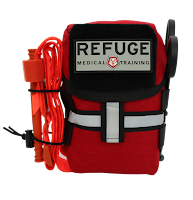
  5. Emergency Preparedness: Keep a stocked first aid kit nearby, including a tourniquet, burn kit, and eyewash bottle. If you’re working away from your workshop, bring it along.Refuge medical offers excellent, American-made first aid kits and supplies. Dystopian survival is an affliate, so you get a discount at checkout by using our link (just click here!).
  6. Fire and CO2 Detection: Install a fire/smoke/CO2 detector and check its batteries regularly. (Amazon link)
  7. Fire Extinguisher: Have an ABC-rated (all-purpose) fire extinguisher within reach. (Amazon link)
  8. Tool Storage: Store tools securely on shelves to prevent falls. Keep sharp or dangerous items out of reach of kids and pets.
  9. Chemical Safety: Store paints, oils, glues, and cleaners in proper containers, away from heat or flames. Keep oily rags in a safe, fireproof container. (Amazon link)
  10. Workbench Stability: Use a sturdy, balanced workbench and avoid overloading it with excessive weight.
  11. Electrical Repairs: Always turn off the power at the circuit breaker or make sure it is completely unplugged before working on anything electrical.
Safety Gear
 
12. Wear the Right Gear: Match your protective equipment to the task: 
 
  • Safety glasses with side protection for general tasks. (Amazon link)
  • Safety goggles for chemical splash risks. (Amazon link)
  • N95 or respirator masks for painting, polishing, etc. (Amazon link)
  • Welders helment and gloves if welding. (Amazon link)
  • Work boots (consider steel-toe for heavy-duty jobs). (Amazon link)
  • Heavy-duty work gloves for wood or lumber; mechanic’s gloves for dexterity. (Amazon link)
  • Workshop or leather apron for added protection. (Amazon link)
  • Chainsaw chaps for cutting tasks. (Amazon link)
  • Hearing protection for loud power tools. (Amazon link)
Personal Behavior
 
13. Know Your Tools: Never use power tools or equipment without proper training. If you’re unsure, ask or read the manual.
 
14. Stay Sober: Avoid using tools while under the influence of alcohol or drugs—your coordination and judgment are compromised.
 
15. Use the Right Tool: Don’t force a tool to do a job it wasn’t designed for, and never use damaged tools.
 
16. Dress Appropriately: Wear fitted clothing and sturdy shoes (no flip-flops!). Remove dangling jewelry or scarves before using power tools.
 
17. Lift Smart: Use your legs, not your back, to lift heavy objects. Get help for anything too heavy to handle solo.
 
18. No Flames: Don’t smoke or use candles near flammable materials like gas or oil.
 
19. Stay Focused: Keep your attention on the task—distractions lead to accidents.
 
20. No Horseplay: Skip the pranks, running, or goofing off in the workshop. Save the fun for after the tools are put away.
 
Extra Precautions

21. Work with a Buddy: If possible, have someone nearby in case of an accident.
 
22. Emergency Communication: Keep a cell phon handy to call for help.
 
23. Read the Fine Print: Follow manufacturer instructions and Material Safety Data Sheets (MSDS) for tools, equipment, and chemicals.
 
 
Final Note: This list isn’t exhaustive, and your specific setup or projects may require additional precautions. Always use common sense and prioritize safety. Tools and safety gear make great holiday gifts! Using my affiliate links helps support this website at no extra cost to you. Thank you.

Like this article? Don't miss out by joining the free Dystopain Survival email list. Just click here. 

----------------------------
Ad: 
Refuge Medical & Refuge Training (affiliate link) - High Quality, American Made, First Aid Kits and Medical Supplies! (Training, too!).  A 10% Discount Code will automatically be applied at checkout using links from this website. 


Photo by CDC on Unsplash  

Tuesday, October 21, 2025

Tool Tip: Soldering Iron Kit – Your Tech-Savvy Survival Hack

By Cade Shadowlight
 
In a dystopian future, new gadgets might not be a click away on Amazon anymore. When your radio, solar charger, or scavenged drone breaks, a soldering iron kit is your ticket to keeping tech alive. Think of it as a hot glue gun for circuits. It is perfect for fixing wires, circuit boards, or even rebuilding salvaged electronics in a grid-down world.
 
Available on Amazon
A basic soldering iron kit, like this one on Amazon
, comes with a soldering iron, solder, multiple tips, and a stand for under $20. It’s beginner-friendly, letting you repair small electronics or wire up a DIY power system. Pair it with a multimeter (Amazon link) to diagnose issues, and you’re ready to tackle anything from a busted walkie-talkie to a homemade EMP shield. 
 
Pro tip: Learn and practice on old circuit boards first, unless you want your apocalypse radio to look like a melted toaster. Also, practice kits are availble on Amazon, and inexpensive. 
 
These kits make killer holiday gifts for both preppers and hobbyists!
 
----------------------------
Ad: 
Refuge Medical & Refuge Training (affiliate link) - High Quality, American Made, First Aid Kits and Medical Supplies! (Training, too!).  A 10% Discount Code will automatically be applied at checkout using these links or my discount code at checkout (the code is Tim).