
By Cade Shadowlight
 There is a surprising history to Victory Gardens, with a couple of important lessons to be learned. Let me explain.
During
World War I, the United States and Canada had to provide food not only
for their populations, but for war-ravaged Europe as well. As more food
stuffs were shipped overseas, availability of food in North America
decreased and prices increased on such staples as milk, butter, eggs and
coffee. Meatless and wheatless days were encouraged by government officials to try to cut consumption.
Community gardens began to spring up everywhere as people started
growing their own food.
In 1917, the National War Garden Commission was founded to "arouse the patriots of America to the importance of putting all idle land to work, to teach them how to do it, and to educate them to conserve by canning and drying all food that they could not use while fresh" (Charles Pack, The War Garden Victorious, copyright 1919, page10). The Commission used posters, slogans, cartoons, press releases and pamphlets to educate people.
 After
the end of World War I, the idea of victory gardens went out-of-style.
But the idea made a comeback during the Great Depression with Depression
Relief Gardens. Early during the Depression, these gardens were
promoted by local governments and were a bureaucratic nightmare, with
squabbles and infighting over where to put the gardens, what to grow and
how much control individuals should have over their plots in the
community gardens. By 1933, however, local governments had relinquished
control of these community gardens to private organizations, such as the
Family Welfare Society, which did a remarkably better job organizing
them.
After
the end of World War I, the idea of victory gardens went out-of-style.
But the idea made a comeback during the Great Depression with Depression
Relief Gardens. Early during the Depression, these gardens were
promoted by local governments and were a bureaucratic nightmare, with
squabbles and infighting over where to put the gardens, what to grow and
how much control individuals should have over their plots in the
community gardens. By 1933, however, local governments had relinquished
control of these community gardens to private organizations, such as the
Family Welfare Society, which did a remarkably better job organizing
them.
After a few years of private success, the federal government eventually took control, changed the names from "relief gardens" to "welfare gardens" and greatly restricted eligibility for participation. By the end of the 1930s the Depression era gardening movement was dead.
Then came World War II, and the Victory Garden movement was back. But the Victory Movement was about more than just growing food, though the gardens did continue to be a big part. Conservation of resources was also promoted. Scrap metal drives were commonplace, as were rubber drives. Salvaged kitchen fat was collected and used to produce glycerin, which was used in the production of drugs and explosives. War bonds were sold. Societal norms were changed as women were encouraged to go to work in order to fill jobs left vacant by the men who went off to at war. Rosie the Riveter (poster on the left) became a symbol to rally around.
War time efforts of the common folks were promoted by posters, slogans, pamphlets, billboards, cartoons, comics, TV and films. Whatever it took to get the word out and promote gardening and conservation efforts was done. A massive change in people's behavior took place. It is estimated that by 1943, 40% of America's vegetables were grown in over twenty million victory gardens.
The year 1946, after the end of World War II, saw a sharp decline in gardens planted by average people. Home gardens eventually became little more than a hobby pursued by only a small percentage of Americans.
The Arab oil embargo, high inflation and economic problems in the 1970s resulted in a renewed interest in gardening. 1975 saw the creation of the television gardening show entitled The Victory Garden. During the economic boom of the 1980s, interest in home gardens once again waned.
In 1917, the National War Garden Commission was founded to "arouse the patriots of America to the importance of putting all idle land to work, to teach them how to do it, and to educate them to conserve by canning and drying all food that they could not use while fresh" (Charles Pack, The War Garden Victorious, copyright 1919, page10). The Commission used posters, slogans, cartoons, press releases and pamphlets to educate people.
 After
the end of World War I, the idea of victory gardens went out-of-style.
But the idea made a comeback during the Great Depression with Depression
Relief Gardens. Early during the Depression, these gardens were
promoted by local governments and were a bureaucratic nightmare, with
squabbles and infighting over where to put the gardens, what to grow and
how much control individuals should have over their plots in the
community gardens. By 1933, however, local governments had relinquished
control of these community gardens to private organizations, such as the
Family Welfare Society, which did a remarkably better job organizing
them.
After
the end of World War I, the idea of victory gardens went out-of-style.
But the idea made a comeback during the Great Depression with Depression
Relief Gardens. Early during the Depression, these gardens were
promoted by local governments and were a bureaucratic nightmare, with
squabbles and infighting over where to put the gardens, what to grow and
how much control individuals should have over their plots in the
community gardens. By 1933, however, local governments had relinquished
control of these community gardens to private organizations, such as the
Family Welfare Society, which did a remarkably better job organizing
them. After a few years of private success, the federal government eventually took control, changed the names from "relief gardens" to "welfare gardens" and greatly restricted eligibility for participation. By the end of the 1930s the Depression era gardening movement was dead.
Then came World War II, and the Victory Garden movement was back. But the Victory Movement was about more than just growing food, though the gardens did continue to be a big part. Conservation of resources was also promoted. Scrap metal drives were commonplace, as were rubber drives. Salvaged kitchen fat was collected and used to produce glycerin, which was used in the production of drugs and explosives. War bonds were sold. Societal norms were changed as women were encouraged to go to work in order to fill jobs left vacant by the men who went off to at war. Rosie the Riveter (poster on the left) became a symbol to rally around.
War time efforts of the common folks were promoted by posters, slogans, pamphlets, billboards, cartoons, comics, TV and films. Whatever it took to get the word out and promote gardening and conservation efforts was done. A massive change in people's behavior took place. It is estimated that by 1943, 40% of America's vegetables were grown in over twenty million victory gardens.
The year 1946, after the end of World War II, saw a sharp decline in gardens planted by average people. Home gardens eventually became little more than a hobby pursued by only a small percentage of Americans.
The Arab oil embargo, high inflation and economic problems in the 1970s resulted in a renewed interest in gardening. 1975 saw the creation of the television gardening show entitled The Victory Garden. During the economic boom of the 1980s, interest in home gardens once again waned.
Lessons To Be Learned
This
ebb and flow in interest in gardening and self-reliance depending on
good times or bad times continues to this day. Interest increases during
bad times as people struggle to survive, and learn they cannot depend
on the "system" or even government to help them. Yet as soon as good
times come around again, folks quickly forget those lessons and go back
to dependence on the system and government.
Another
lesson to be learned is found in how poor a job government did in
managing victory gardens, and how much better private organizations and
individuals did when government turned it over to them. Self-reliance
cannot be imposed or managed by government. In fact, government
control is the opposite of self-reliance.
-----------------------------------
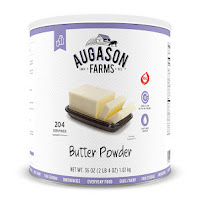 AD: Augason Farms Long-Term Food Storage - This
is where I get powdered butter, eggs, cheese, milk, and other long-term
foods for my Survival Pantry. Shelf-life up to 20+ years. Good quality,
good taste, good value. For my money (literally, since I am a paying
customer), Augason Farms is the best long-term foods option.
AD: Augason Farms Long-Term Food Storage - This
is where I get powdered butter, eggs, cheese, milk, and other long-term
foods for my Survival Pantry. Shelf-life up to 20+ years. Good quality,
good taste, good value. For my money (literally, since I am a paying
customer), Augason Farms is the best long-term foods option.

